


Phone:
+86-18513327189

I've been in this game long enough to remember when rendering a decent 3D scene overnight felt like a win. These days, the pace is relentless, and the tools keep evolving faster than most of us can keep up. At Firefishs Studios, we specialize in turning ideas into compelling visual stories through 3D animation, motion graphics, CG work, and everything in between. We've seen firsthand how certain shifts aren't just nice-to-have—they're becoming essential if you want to stay relevant and deliver work that actually moves people (and clients).
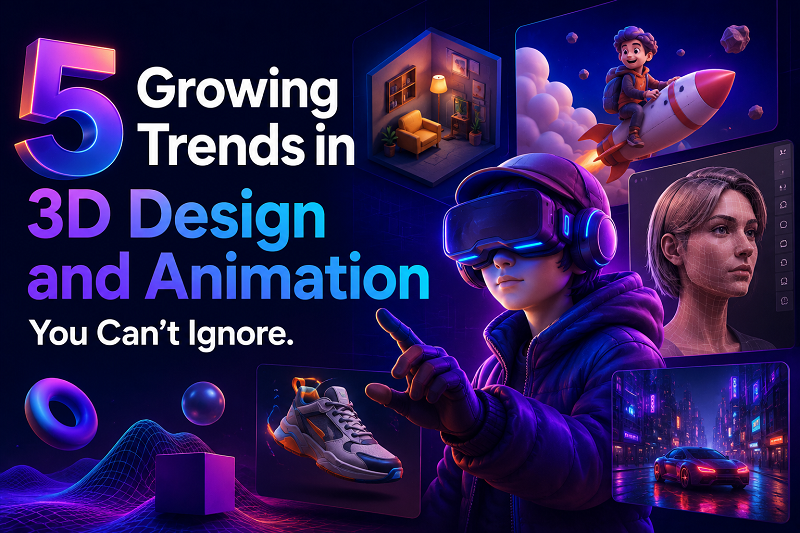
Here are the five trends that are reshaping 3D design and animation right now. These aren't hype; they're practical directions the industry is moving in, driven by technology, client demands, and a push for more engaging, efficient storytelling. I'll share why each matters, real-world implications, and how we're approaching them at our studio.
AI in 3D isn't new, but in 2026 it's matured from gimmick to genuine workflow accelerator. Generative tools can now produce base models, textures, and even rough animations from simple prompts or reference images. This doesn't mean artists are obsolete—far from it. The best results come when skilled professionals guide the AI, using it to handle repetitive tasks while they focus on the nuanced, story-driven decisions that define great work.
What excites me most is the speed. Projects that once took weeks in modeling can now start with strong foundations in hours. This opens doors for smaller teams or tighter deadlines without sacrificing quality. Of course, there's a learning curve: knowing when to trust the output and when to override it separates the pros from the amateurs.
At Firefishs Studios, we've incorporated AI thoughtfully into our 3D animation and VFX design pipeline. It helps us prototype faster for client reviews, especially in CG animation and complex scenes. Our artists still handle the heavy lifting on rigging, lighting, and that final polish that makes animations feel alive. Clients love the quicker iterations, and it lets us tackle more ambitious projects. If you're exploring this, start small—use AI for asset generation or variation testing, then layer in human expertise. The combination is powerful.
Pure photorealism had its moment, but audiences are craving more expressive, stylized visuals. The massive success of films blending flat 2D aesthetics with 3D depth has proven that hybrid approaches deliver emotional punch and visual distinctiveness that straight 3D sometimes lacks.
Think dynamic camera moves and volumetric lighting from 3D combined with hand-drawn textures, bold lines, or painterly effects from 2D. It's not just for big-budget animation anymore—brands are using it in motion graphics, explainer videos, and social content to stand out in crowded feeds.
This trend plays perfectly to our strengths at Firefishs. We've always mixed techniques across our 2D and 3D animation services, and demand for these hybrid projects has grown steadily. Whether it's layering illustrated characters into rich 3D environments or using 2D elements to add personality to otherwise realistic scenes, the results feel fresh and intentional. For clients in education, marketing, or entertainment, it allows storytelling that feels both premium and approachable.
The practical upside? These workflows can be more flexible across platforms—web, mobile, broadcast—all while keeping production manageable. If your brand has been stuck in either pure 2D or hyper-real 3D, experimenting with hybrids could be the refresh you need.
Real-time engines like Unreal and Unity have moved far beyond games. In 2026, they're standard for animation pre-vis, client approvals, and even final delivery in certain contexts. The ability to tweak lighting, camera angles, or animations on the fly and see photoreal (or stylized) results immediately changes everything about the creative process.
No more waiting overnight for renders. Teams can experiment more freely, catch issues earlier, and involve clients in the loop without massive back-and-forth. This is huge for virtual production, architectural visualization, and any project where interactivity matters.
We've embraced real-time tools heavily at Firefishs Studios, particularly for motion design and 3D animation work that needs to feel responsive. It accelerates our capabilities in creating dynamic visuals—from data visualizations to immersive brand experiences. For social media videos or interactive design projects, real-time means we can deliver higher quality faster and often at better value for clients.
The trend also blurs lines between animation and interactive media. Expect more 3D assets that work seamlessly in web experiences or AR previews. If your workflow still relies heavily on offline rendering, exploring real-time options could unlock significant efficiency gains.
3D isn't just on screens anymore—it's stepping into the real world through AR and VR. Clients want product configurators you can view in your living room, training simulations that feel tangible, or brand experiences that surround the viewer. Spatial computing is making these more accessible, and the demand is accelerating.
This goes hand-in-hand with our motion graphics and interactive design work. At Firefishs, we're seeing more requests for 3D assets optimized for AR/VR, whether it's character animations for virtual environments or motion design elements that enhance real-world overlays. The storytelling potential is massive: instead of watching an animation, audiences can step inside it.
Technically, it requires thinking differently—optimizing models for performance, designing for multiple viewing angles, and ensuring smooth interactions. But when done right, it creates memorable engagement that flat video simply can't match. For brands in e-commerce, education, or experiential marketing, investing here pays off in deeper connections.
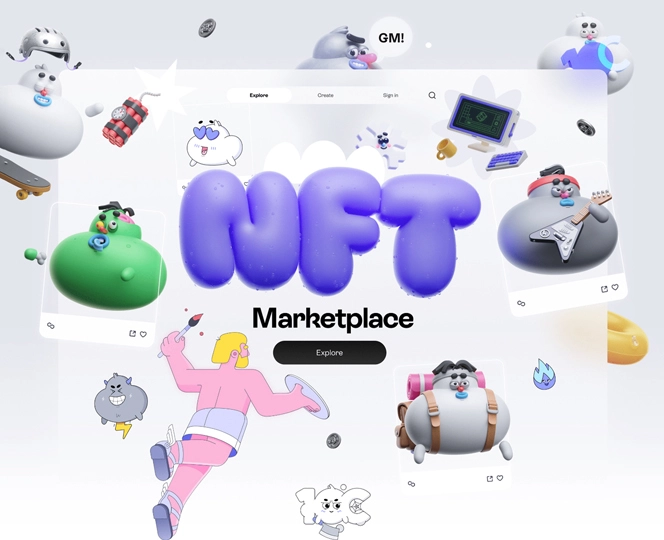
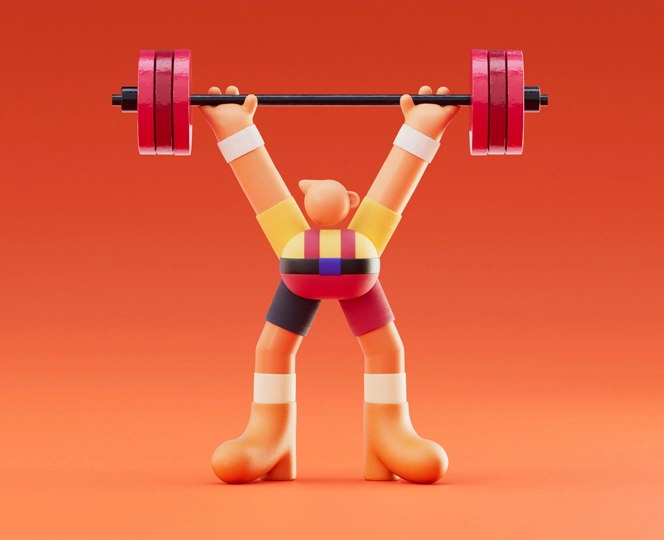
As AI makes perfect outputs easier, there's a growing appreciation for imperfection, tactility, and human touch. "Squishy" soft forms, lo-fi 3D, subtle texture variations, and stylized characters that feel crafted rather than generated are gaining traction. It's a reaction to overly polished work—people crave visuals that feel soulful and intentional.
This trend favors studios that balance technology with artistry. At Firefishs Studios, our team of animators and designers has always emphasized storytelling and emotional connection over pure technical showmanship. We're applying this to 3D character design, motion graphics VFX, and even stop-motion inspired digital work. Clients respond strongly when animations feel warm and relatable rather than cold and generic.
Practically, it means paying attention to details like organic movement, thoughtful lighting that mimics real environments, and textures that invite a second look. In a sea of AI-generated content, authenticity becomes a competitive advantage.
These five trends—AI assistance, hybrid styles, real-time capabilities, immersive experiences, and a renewed focus on craft—are interconnected. Together, they enable faster production, more creative expression, broader reach, and deeper audience engagement. At Firefishs Studios, we're not chasing every shiny new tool; we're selectively adopting what helps us deliver better results for clients while preserving the human element that makes animation special.
If you're a brand, marketer, or fellow creator wondering where to start, my advice is simple: audit your current projects against these directions. Where could AI speed things up? Would a hybrid approach make your story more distinctive? Could real-time or AR elements add interactivity?
We're here to help navigate this landscape. Whether you need full 3D animation production, motion graphics that pop, or custom CG work that leverages the latest techniques, our process—from concept and storyboard through to final delivery—is built for quality and collaboration.