
Phone:
+86-18513327189

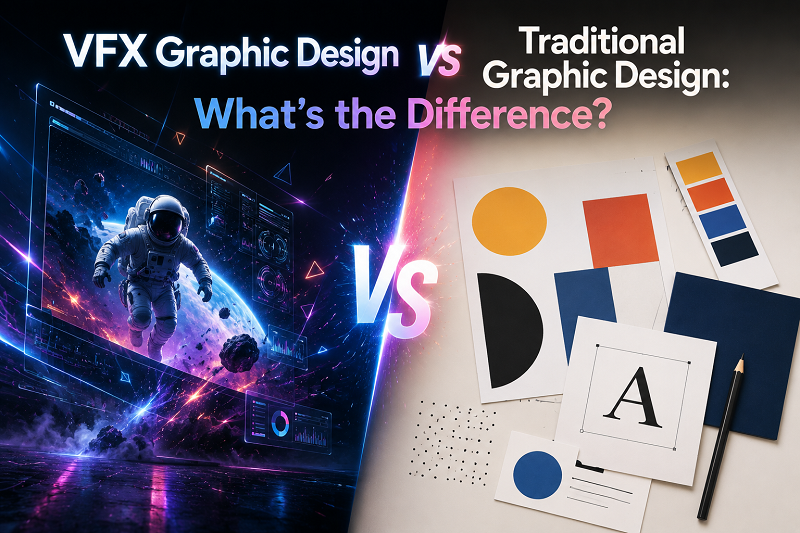
In today’s visually saturated digital world, brands rely heavily on design to communicate, persuade, and differentiate. But as visual technology evolves, so does the definition of “design.” One of the most common questions clients ask us at Firefishs is: What is the actual difference between VFX graphic design and traditional graphic design? And more importantly—which one does my project need?
While both disciplines share the same creative DNA, they function very differently in workflow, purpose, and output. This article breaks down VFX Graphic Design vs Traditional Graphic Design from a professional, production-level perspective, helping you understand where each shines and how to choose the right approach for your brand.
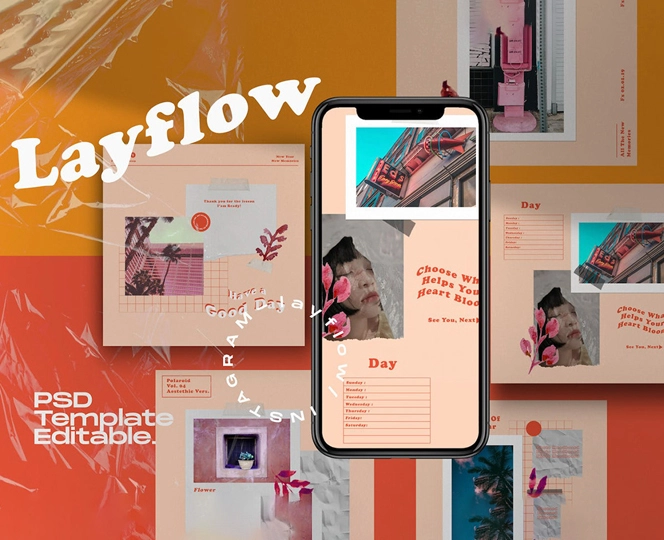
Traditional graphic design focuses on static, visually balanced compositions created for print, digital media, branding systems, and marketing materials. Its goal is to deliver messages with clarity and visual harmony—often through typography, layout, color theory, and imagery.
Common applications include:
Branding and visual identity
Posters, brochures, catalogs
Website UI/UX layouts
Social media static graphics
Packaging design
Corporate reports and presentations
Traditional graphic design is grounded in principles such as alignment, hierarchy, contrast, composition, and readability. It excels in creating visual consistency and brand recognition.
While not “traditional” in the outdated sense, this discipline prioritizes aesthetics and information clarity over motion or complex visual effects.
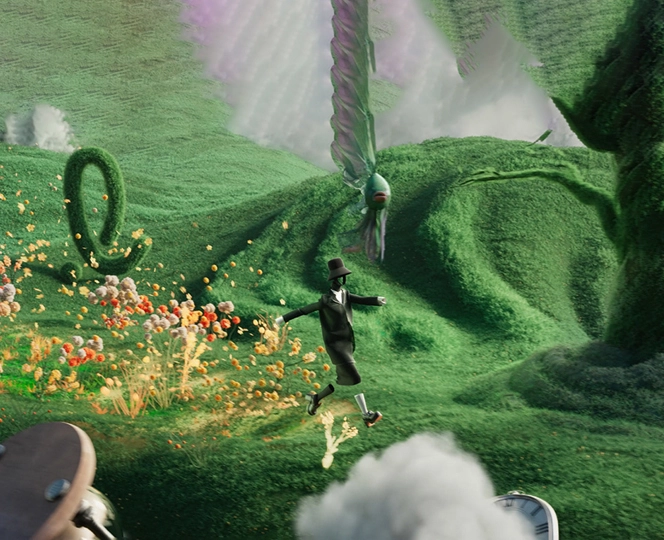
VFX (Visual Effects) graphic design merges design fundamentals with 3D tools, compositing, and cinematic effects to produce dynamic visuals—often seen in high-end commercials, film content, and motion-heavy digital campaigns.
VFX graphic design involves:
3D modeling and texturing
Simulation (particles, fluids, smoke, cloth, destruction)
Motion tracking and compositing
CGI integration with live-action footage
Lighting, rendering, and post-production
Advanced motion graphics pipelines
It transforms a design from static to immersive, combining artistry with technical execution. For brands, VFX graphic design brings a sense of scale, depth, and realism that traditional design alone cannot achieve.
At Firefishs, our VFX team works closely with designers and animators to create visually rich content that elevates brand storytelling—whether it’s a hyper-realistic product reveal, a cinematic intro sequence, or a 3D-driven advertisement.
Below is a clear breakdown comparing both disciplines from a workflow and output perspective.
| Category | Traditional Graphic Design | VFX Graphic Design |
Primary Output | Static visuals | Dynamic, cinematic, or simulated visuals |
Medium | Print & digital | Video, film, 3D, CGI |
Tools | Photoshop, Illustrator, InDesign | After Effects, Nuke, Blender, Cinema 4D, Houdini |
Complexity Level | Low–Medium | High to very high |
Use Cases | Branding, marketing materials | Commercials, product animations, film, 3D ads |
Skillset | Layout, typography, composition | 3D, compositing, simulation, motion |
Production Time | Shorter | Longer and multi-stage |
Goal | Clear communication & aesthetics | Immersive, high-impact visual storytelling |
This comparison highlights why choosing between VFX Graphic Design vs Traditional Graphic Design depends on the scale, message, and medium of your project.
Traditional design is ideal when the goal is structured communication, branding consistency, or visual clarity. You should choose traditional design when:
You need static marketing assets
Brand guidelines require standardization
The content will be printed
The project has tight timelines or limited scope
Messaging needs immediate readability
Examples:
Business cards, brand identity systems, packaging layouts, posters, web banners, pitch decks.
Traditional graphic design is the backbone of any brand’s communication. It establishes the visual language that VFX graphics later enhance.
Choose VFX graphic design when the goal is to create impact, emotion, or cinematic storytelling—especially when movement, realism, or visual complexity is essential.
VFX design is ideal for:
Product launches and high-end commercials
3D product visualizations
Motion-driven social ads
Branding videos and company intros
Sci-fi or futuristic visual themes
Any content that benefits from motion, depth, or simulation
For example, a tech company releasing a new device might need:
Exploded 3D component animation
Realistic reflections and lighting
Dynamic transitions
Particle-based visual effects
These are all areas where VFX design excels and traditional design cannot achieve the same impact.
At Firefishs, we don’t view VFX graphic design vs traditional graphic design as opposing methods. Instead, we integrate both into a unified pipeline, depending on the project’s creative direction.
Our hybrid approach includes:
Using traditional design principles to define layout and visual identity
Translating static concepts into 3D motion or VFX sequences
Combining motion, simulation, and compositing with strong art direction
Enhancing product visuals with cinematic lighting and realistic rendering
This ensures your project has both visual clarity and high-impact storytelling—a balance that modern brands increasingly demand.
Our team works across industries such as technology, FMCG, gaming, retail, architecture, and entertainment, enabling us to adapt visuals to different audiences and platforms.
Here’s a simple decision framework:
✔ Branding consistency
✔ Print or static digital assets
✔ Clear, structured communication
✔ Fast turnaround
✔ Cost-efficient creative support
✔ Cinematic visuals
✔ 3D product reveals
✔ Motion-heavy marketing content
✔ Realism, simulation, or special effects
✔ High-impact storytelling
In many modern campaigns, both are used in combination—traditional design builds the foundational look, while VFX design amplifies the message through motion and dimension.